

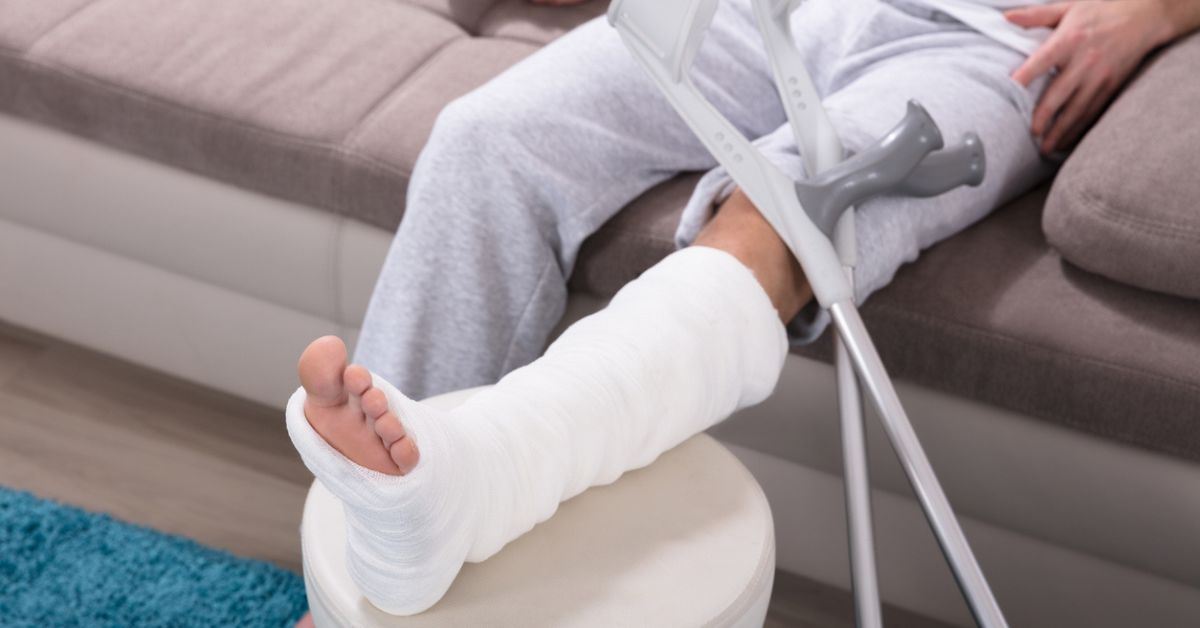
A workplace injury can change more than a person’s physical health. When recovery takes longer than expected and returning to a familiar job no longer seems possible, concerns about income, medical care, and the future can quickly become overwhelming. For injured Iowa workers, knowing what may happen after a doctor determines that previous job duties are no longer possible can provide a clearer path forward.
Your Medical Condition May Determine What Work You Can Do
The ability to return to work often depends on medical restrictions. A physician may limit activities such as lifting, standing for extended periods, climbing, bending, or repetitive movements. These limitations can make it difficult for an injured worker to resume physically demanding duties, especially in construction, manufacturing, transportation, or other labor-intensive fields.
Restrictions may change as recovery progresses, but some injuries result in permanent limitations. Medical records and evaluations can help establish what activities a worker can safely perform and whether returning to the same position is medically appropriate.
Your Employer May Have Different Return-to-Work Options
After receiving medical restrictions, an employer may have options for bringing an injured employee back to work. The availability of suitable work can depend on the business and the employee’s limitations.
- Light-duty assignments: Temporary tasks may allow an employee to continue working without exceeding medical restrictions.
- Modified job duties: Certain responsibilities may be adjusted or removed to accommodate physical limitations.
- Alternative positions: An available role with different requirements may be appropriate for some injured workers.
However, suitable work is not always available. A small employer or a highly physical workplace may have limited opportunities for modified duties. When an employee cannot return to their former position and no appropriate work is offered, the effect on future earning ability may become an important part of the situation.
Maximum Medical Improvement Can Change the Direction of a Claim
A treating physician may eventually determine that an injured worker has reached maximum medical improvement, or MMI. This generally means the condition has stabilized and significant improvement is no longer expected with additional treatment.
Reaching MMI does not necessarily mean an injured worker has fully recovered. Some workers continue to experience pain, reduced mobility, or permanent restrictions. At this stage, medical opinions about impairment and work capabilities may become particularly important. A worker may need to consider whether returning to a previous occupation is realistic or whether other employment opportunities should be explored.
Several Issues Can Affect Future Employment
The impact of a work injury on future employment can vary widely. A person who can no longer perform one job may still have skills that apply to another type of work.
- Work experience: Previous jobs may provide transferable skills that support a transition into a different role.
- Education and training: Additional qualifications can affect the types of work available after an injury.
- Physical limitations: Permanent restrictions may narrow the range of jobs a worker can safely perform.
These issues can be especially significant for someone who has spent most of their career in physically demanding work. A transition to another occupation may not be simple, particularly when age, experience, and local employment opportunities limit available choices.
Financial Effects Can Continue Beyond Recovery
An inability to return to a previous job can create financial challenges that extend well beyond the initial injury. Reduced earnings, ongoing treatment needs, and uncertainty about future employment can affect an injured worker’s entire household.
Workers’ compensation claims may involve questions about temporary or permanent disability and how an injury affects earning capacity. The long-term impact of a work injury should be carefully considered before important decisions are made about employment or a claim.
Get Help Understanding Your Options After a Work Injury
Being told that you cannot return to the work you relied on can leave you wondering how to move forward. The path may involve medical restrictions, modified work opportunities, permanent limitations, and important questions about your financial future.
Pothitakis Law Firm helps injured workers throughout Iowa understand their options after serious workplace injuries. Call (319) 318-0450 today to discuss your circumstances and take the next step toward protecting your interests.