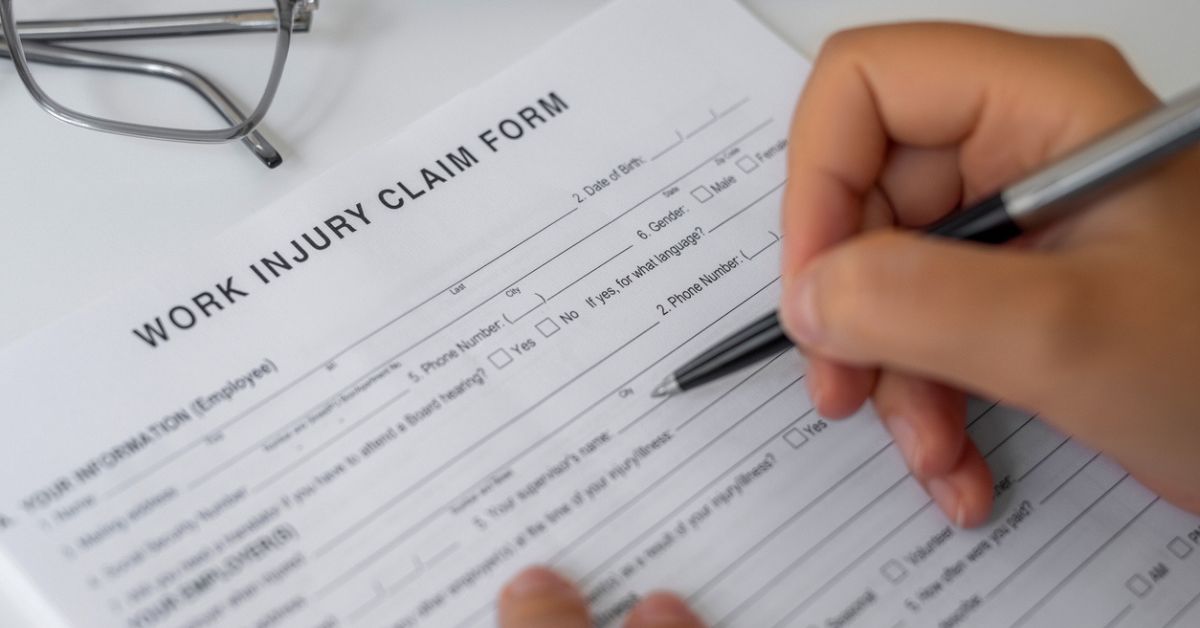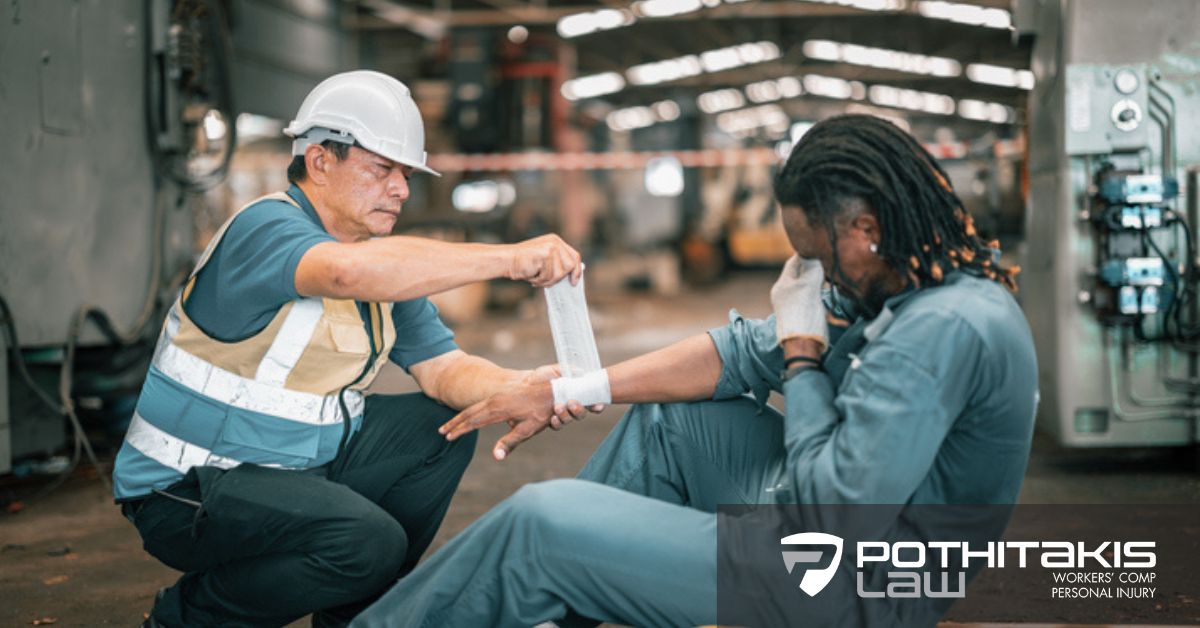
A work-related injury can disrupt far more than a person’s ability to earn a paycheck. Medical appointments, missed time from work, physical limitations, and uncertainty about the future can quickly create additional stress. For injured workers in Iowa, understanding what supports a workers’ compensation claim can help them take informed steps while protecting their right to pursue benefits.
A Work Connection Is Central to the Claim
One of the first issues in a workers’ compensation case is whether the injury is connected to employment. An injury does not necessarily have to result from a dramatic accident to qualify. Depending on the circumstances, injuries caused by a specific workplace incident, repetitive job duties, or occupational conditions may be compensable.
The details surrounding how and when the injury occurred can become important. Job responsibilities, work conditions, witness observations, and other evidence may help establish the connection between the injury and employment. Clearly explaining what happened can also help prevent confusion as the claim moves forward.
Evidence Can Help Support What Happened
Different forms of evidence may provide a clearer picture of the injury and its relationship to work. While every case is different, useful information may include:
- Accident reports: A report documenting when and how the incident occurred can create an early record of the workplace event.
- Witness statements: Coworkers or others who saw the accident may be able to confirm important details about what happened.
- Workplace records: Schedules, job descriptions, maintenance records, or other documents may help demonstrate the conditions involved.
Evidence does not always come from a single source. A combination of records and testimony may help explain the circumstances surrounding an injury and address questions that arise during the claims application process.
Medical Documentation Plays an Important Role
Medical records can provide valuable information about the nature and extent of a work injury. Prompt medical attention may document symptoms, establish a diagnosis, and create a record of recommended treatment and physical restrictions.
Consistent documentation can become especially important when an injury requires ongoing care or prevents someone from returning to their regular job duties. Medical evaluations may also address whether work activities caused or aggravated a condition. Because insurance companies may closely examine these records, accuracy and consistency matter throughout the recovery process.
Consistency Can Affect How a Claim Is Evaluated
Questions or disputes can arise when information about an injury appears incomplete or inconsistent. Injured workers can help protect their claims from being denied by providing accurate information and keeping track of important developments.
Some helpful practices include:
- Documenting symptoms: Keeping notes about pain, limitations, and changes in condition can help create a clearer timeline.
- Following medical recommendations: Attending appointments and following appropriate treatment plans can demonstrate the seriousness of the injury.
- Keeping claim-related records: Saving medical paperwork, correspondence, and other documents can make important information easier to access.
Small details can become significant when determining how an injury occurred or how it has affected someone’s ability to work. Maintaining organized records can help avoid relying solely on memory later in the process.
Work Restrictions May Demonstrate the Injury’s Impact
A workers’ compensation claim may involve more than proving that an injury occurred. The extent to which that injury affects a person’s ability to perform job duties can also be relevant. Medical restrictions, reduced hours, modified assignments, or an inability to return to previous work may all demonstrate the practical consequences of the injury.
This issue can be particularly significant for construction workers, industrial employees, and others whose jobs involve physically demanding tasks. An injury that limits lifting, standing, climbing, or repetitive movement may substantially affect a worker’s ability to continue in the same position. Understanding how these limitations relate to available benefits is an important part of evaluating a claim.
Get Guidance About Your Iowa Workers’ Compensation Claim
Proving a work injury claim may involve medical evidence, workplace documentation, and careful consideration of how the injury has affected a person’s ability to earn a living. When questions arise about the strength of a claim or an employer’s response, having knowledgeable legal guidance can make the process easier to understand.
Pothitakis Law Firm represents injured workers throughout Iowa and can help evaluate the circumstances surrounding a workplace injury. Call (319) 318-0450 today to discuss your workers’ compensation claim and learn how the firm can help protect your rights.